
Great photos and giveaways!
If you’re most places in the northern hemisphere, you’ve probably had a heatwave to tolerate/celebrate. It depends what type of weather you like, right? Regardless of your preference, staying cool, looking good and protecting your skin can be tough, which is a big part of why we design what we love.
Dhemz Apdian-Dias is a big fan of the summer, but living in Texas makes fun during the season a challenge. We were super stoked to see how into our long sleeve full zip top she was. She got the Pop Star print and showed us a few pics as well!

This full-zip long sleeve swimwear top is so feminine and is designed to give comfort and ease. I like the soft feel and the neck protection is just right.
You can read more of her review and see other great photos too. Nicely done, Dhemz! Thanks for the kind words!
Dhemz isn’t the only one singing our praises these days, and not just because we help keep folks cool. Heidi, an SUP instructor at Rainbow Watersports in Hawaii was struggling to stay warm in the water during those early morning SUP sessions. She gave our short sleeve Thermaguard top a try and was able to stay in the water as long as she wanted.
On this spring day, I slipped into the water and surfed for an hour and a half – no longer being forced by shivers to come in early! Awesome.
We’re thrilled to read her review, which definitely inspires us to get into the water and indulge in an epic surf session. Thanks Heidi!
One more thing we thought we’d let you know about is Susannah’s post over at the Funky Monkey. She’s got some lovely things to say but she’s also giving away our kids board shorts or woman’s halter top! If you’re feeling lucky (or just want a chance at winning), you should head over and enter.
The giveaway ends in a few days, so don’t miss out. Both pieces will help you enjoy the sun.
Do you love the heat or would you rather it be cooler during the summer? Let us know in the comments!
25 Reasons to Love Water

- Everybody be cool. If you’re one of the unlucky folks suffering in the midst of a heatwave, you’re probably looking for any way to beat the heat. Drinking water will help your body replenish fluids as it sweats, which is the main way we keep cool.
- Natural cleaning product. We’re faced with loads of toxins in our everyday environment. It’s a fact of life, but one our bodies are prepared for. Our liver and kidneys do a great job filtering these things and sending them packing so no harm is done to our major organs. What aids in that process? Beautiful water.
- Staying regular. Not only does water help with digestion, it keeps things moving in the bathroom moments of our life.
- Saves cash money. “Can I bring you anything to drink?” “Tap water please.” Boom! Savings. Carry around a reusable water bottle and save money on bottled water to boot!
- Loving your heart. Staying hydrated can reduce your heart attack risk by 41 to 54 percent. What’s not to love about that?
- More energy. Put down the coffee! Fatigue is one of the first signs of dehydration. Just a little goes a long way, so drink up and perk up!
- Fewer headaches. Researchers found that drinking seven glasses a water a day can reduce or eliminate these nasty buggers. Even migraines can be scaled back by sipping on some H2O.
- It’s beautiful. How often does a scenic view involve a lake, ocean, stream or waterfall? Water’s gorgeous in all forms. Even though it’s cold, ice and snow can be awesome to look at too.

- Reduced cancer risk. Sure it’s no cure, but water seems to be linked to reduced risk of many types of cancer, from breast cancer to colon and prostate cancer to urinary tract cancer.
- Appetite control. Looking to lose a few pounds? A glass of water can keep you from unnecessary snacking and help you feel more full at meals.
- Exercises’ little helper. Got a hellish workout planned? Drink some water and it might make it a little easier. In fact, no matter what intensity you’re at, H2O can lend a hand during your routine.
- Extinguish heart burn. You eat a delicious meal and you feel it there, flickering in your chest. Drink a small glass of water and feel it melt away.
- Regulate blood pressure. Keep the pressure steady by staying hydrated and avoid kidney failure, heart disease, stroke and other health problems.
- It’s a part of us! When we’re born we’re about 78 percent water. By drinking water, we’re restoring one of our truest essences of self. If that isn’t a quick way to self-improvement, I dunno what is!
- Reduce joint and back pain. Water acts as a natural lubricant for all the joints in our body and in our spine. There is a lot of evidence that suggests drinking more will relieve your aching neck, back or whatever joint ails you.
- Helps circulation. Blood may be thicker than water, but water is still one of its main components. When you’ve got enough water in your body, blood flows easily, improving your circulation, which …
- Helps bring nutrients to body. What good are those veggies you just scarfed down if your body can’t deliver the goodies to the correct cells? Water helps this all go down without a hitch, so have another glass.
- Play time! If you’re reading this blog because you came here from Girls4Sport, you probably spend some of your free time in or around the water. Who wouldn’t? From kayaking to waterskiing to just messing around, bodies of water are where it’s at.
- Productivity boost. Sick of crashing every afternoon at work? Struggling to get stuff done? Water can help you become more alert, which is great news for college students, since it’s free. Heck it’s welcome news for all of us!
- Hangover help. If you like to imbibe, you’ve probably felt the effects of having one too many at dinner the night before. Alternate a glass of water in between cocktails and down a few before you go to bed. Your wake up won’t be nearly as rude the next morning.
- Fights sickness. A hydrated body is in a better state to deal with a few bad apples than one that is a few ounces short of fluid. Drinking water helps ward off the flu, keeps colds at bay and generally improves your immune system.
- Healthier bones. Dehydration has been linked to osteoporosis. It may not be as big as news about calcium and all that jazz, but it’s another reason to adore water for keeping our bones strong.
- Reduces stress. It might not be as glamorous as that glass of wine, but water helps destress you, big time. Dehydration of just a few ounces (half a liter) can cause your stress hormones to spike. So maybe just pour the water into a fancy glass if you want to keep up the ritual.
- Get strong. Fit is the new skinny, so they say, so if you’re looking to show off your killer obliques, make sure you’re hydrating. Water helps build muscle and keeps them (and you!) looking good.
- Water creatures. There’s a reason Dr. Seuss was counting fish. Animals that live under the water fascinate us. With life like sea otters, blue whales, swaying kelp forests and frogs, who isn’t the teenciest bit curious what it’s be like to breathe underwater … and maybe play all day long.
Want a few more reasons? We did!
- Better mood. Not feeling so chipper? Mild dehydration could be the cause. Tip back a few glasses of H2O and your disposition will be brighter in no time.
- Keeps you alive. Not everyone has been unfortunate enough to run out of water on a desert hike, but most of us know we can’t survive long without it. We could call this dependence, but since it does so many good things for us, we’ve got nothing but love.
- Soothing sounds. What is is about the sound of water that just relaxes you? Maybe it’s just knowing you’re close to life or a cool stream. Who knows? Who cares? It sounds awesome.
- It’s in food too. You don’t have to drink your water. You can eat it! Fruits and veggies are mostly water. Heck, even a turkey sandwich has some. It’s everywhere and it’s got us sprung. Now who’s thirsty?


Wondering how much water you should drink? Check out this water calculator! Did we miss your favorite reason to love water? Share with us in the comments!
Ready? Set … Whitewater!
BY CRISTIN ZIMMER
“Draw right, Draw right!” I screamed as we hit the wall of water. Our 14-foot inflatable raft and six-woman team was completely submerged in the Arkansas River for what felt like minutes but in reality was probably just a few seconds.
Expertly executing a huge draw stroke and straightening the boat at the last minute, Jen, our front right paddler had saved our race boat from a near flip. That wall of water, known as a hydraulic hole, is just one of many formidable river obstacles that the Red Ladies have to successfully navigate in any given training run or competition.

Whitewater raft racing is not for the faint of heart and definitely attracts a certain type of strong, independent and sometimes even hardheaded woman. In a sport that is dominated by men, many female river guides have had grow a thick skin, work twice as hard,and be twice as good as their male counterparts to get any respect on the river.
When I worked as a full time river guide, it was rare for me to ever work with another female guide on hard river sections, let alone five other competent, strong, whitewater savvy women. That is exactly what the Red Lady Raft Racing team is all about – sharing a passion for the river and whitewater with other like minded women.

So what happens when you get six of these types of ladies together in a small, specially designed race raft? Magic? Disaster? Some times a little of both!
What many folks don’t understand about raft racing is that the boat is not guided and maneuvered like a commercial raft trip with one guide in the back who steers and calls commands to the rest of the paddlers who are essentially the “engine.”
In a racing boat, all six team member must paddle forward as hard as they possibly can for the duration of the race, which, in the down river discipline, can last as long as an hour and a half. The more “guiding” strokes that the back or front paddlers throw in, the fewer strokes propel the raft forward.
On a team that wins, everyone is perfectly honed, controlling the power of their own stroke as well as the power on their side of the raft. These moves have to happen more quickly if the rapids are harder. In class IV and V rapids, this gets super-intense as the speed at which decisions, communication and execution has to happen becomes critically fast because of the speed of the river and also the speed of a rafting raft.

It is like sprinting on a high speed moving walkway of water around boulders and over big drops using six arms, all of which are attached to a different brain!
This is where the harmony and magic comes in or complete and utter disaster as the carrying out of significant lines breaks down. Planning, training and knowledge of the section of river is essential, as well as knowing the women on your team, their strengths and weaknesses to a tee.
Failure in many cases doesn’t just mean losing a race; it also means swimming through class V whitewater. When “Plan A” doesn’t work out, the entire team must work together in a matter of seconds to come up with “Plan B.” Sometimes “Plan B” seems to get communicated and executed telepathically, and other times, as much as we hate to admit it, the high pitched frantic screaming of commands can be heard – just like in the situation described at the beginning of this post.

Ultimately, we strive for that state of flow achieved when all six of us are totally dialed and synchronized, and the boat feels like it floats effortlessly off drops like Tunnel Falls in Gore Canyon and charges through the huge holes of Sledgehammer rapid in the Royal Gorge.
There isn’t much better feeling in the world than cleaning these lines and doing it with five other amazing women. Thank you Girls4sport for supporting Red Lady Raft Racing and our mission to promote paddle sports and whitewater enthusiasm among women and girls.
Cristin Zimmer and her the rest of her team competed in a national race and won, making them Team USA. They will head to the World Rafting Championships in New Zealand this November.
Six Tips To Help You Cook More At Home
About six months ago my husband and I reviewed our budget. We really wanted to buy a house and wondered what we could comfortably afford. What we found out made us uncomfortable. We were spending $300 to $500 a month on dining out! What’s worse? We thought we were being “good,” him only eating out once a week for lunch and the two of us only eating out once a week.

Turns out those tasty meals could make our mortgage payments easier. That line item in our budget was probably the most obvious way we could cut way back and make a difference almost immediately. But we knew it would require some serious discipline and some changes to our lifestyle.
Those changes weren’t that obvious for me, which is why I want to share them with you. And I’d love to hear your feedback in the comments too. Any tips are appreciated!
1. Create a dinner calendar. It might seem a little overboard to schedule your meals out for the week. I always thought that when I saw articles online offering a week’s worth of recipes, but since what I was working didn’t seem to be working, I thought I’d try.
Hello freedom! I never thought it to be true, but coming up with a plan for dinner every night can be draining. So by doing it once a week and then just referring to your list means less stress and also helps you use leftovers in other meals. Added plus? You toss less food because you know what you know what’s in your fridge.
Having a calendar also helps to remind you to thaw meat for the next day’s meal or soak beans or cashews for a meal the following day. No more checklists in your head to remember. Since doing this, I haven’t gotten halfway through a meal before realizing I don’t have the garbanzo beans cooked. You know, the ones that take hours to soak?
Less stress please! I love my dinner calendar. I just write it on the back of old grocery store receipts, but you could use Google Calendar or your smartphone or whatever calendar you’re already using.

2. Create a list of meals you like to cook. I think I have a bit of culinary flair. I’m always down to try something new, be it nobeyaki or cornbread in a skillet. But it seemed like every time I sat down to plan my meals my mind went blank. I could make tacos … again. Wait. Didn’t I make something delicious a few weeks ago? What was that?
There’s nothing wrong with repeating meals (tacos are my favorite), but you don’t want to get sick of your own cooking. And if you are experimenting, you’ll want to remember what you liked and didn’t like. Just like creating a dinner calendar offers freedom, so does this list.
I just run down the list and pick a vegetarian item or two for the week. If I’m roasting a chicken, I try to pick a recipe that will help me use the leftovers. A task I used to agonize over now takes a few minutes. Solid!
3. Shop once a week. A professional organizer and time manager gave me this tip. (She also did a killer job in my hubby’s garage.) I used to stop at the store every few days to pick up a few things for dinner. In my mind, this was a very romantic, European way to do things, but I also had to shop every other day.

Not only is a weekly grocery run a huge time saver, but it also saves money. I’m not spending cash on gas getting to the store all the time (to be fair, I biked sometimes). But I’m also buying less of the same things, which means I’m throwing away less food, and (see last tip) I’m using ingredients for more than just one meal.
It took some getting used to. I had to freeze the meat I planned on using toward the end of the week, and fish was usually only served the day I went to the store, but when the afternoon rolls around I’m not worrying about how I’m going to find time to get to the store and cook. I can keep happily writing/knitting/yoga-ing away knowing everything is ready for me when I am.
4. Keep snacks around. If I ever get too hungry, I am a bear to be around. My husband calls it being hangry. Not everyone has this problem, but getting hungry is the surest way to short circuit your plans for cooking dinner. No one wants to wait around for the rice to cook when they can head down the street and grab a burger in 10 minutes. This is why snacks are essential.

Favorites around our house are chips and salsa or guacamole, crackers or veggies and fava bean hummus, and almonds and raisins. All of these are tasty treats that take the edge off without ruining your appetite.
5. Invest in good food storage. If you’re going to be storing leftovers, it’s best to use something that you’ll love, is non-toxic and has equal numbers of lids and containers. Skip the frustration and get ruthless with your tupperware drawer. Recycle containers without lids and old plastic that have seen better days.
Head to your local store and pick up some glass food storage containers of all sizes. Glass is non-toxic and easy to see through (you’ll always know what’s in your fridge). If you’ve got mason jars lying around, you can always use those too. Having something nice to store your food in will make leftovers more enticing and you less likely to waste food.
6. Practice, not perfection. We all have days where the site of the stove is enough to make us want to cry. And *no* we’re not being dramatic! Remember there is no prize for the one who suffers most. If you’re beat, order in. Ask your hunny to pick up something from the sandwich shop. You’re much more likely to keep up a routine if it allows for a few days off.
Since we’ve started our new plan, we’ve still budgeted for two meals a month out. There have been a few months where we didn’t see the inside of a restaurant, but last month we had friends in town and a lot going on, so we had several meals out. No biggie. Remember not to be too hard on yourself.
So has our experiment worked? Well, we’ve saved on average more than $300 a month. It doesn’t matter what you’re trying to buy (or not buy!), that’s a good chunk of change. That’s a nice trip somewhere in a year. That’s a car payment. That’s a great 401k contribution.
Do you cook at home a lot? Why or why not? Do you have any tips to help make it easier?
Rebecca Watson is a writer, fierce optimist and food and finance enthusiast. Read more articles by Rebecca here.
One2Try Gives G4S a Try
Have you ever been on a mission to reinvent yourself? Many of us have, and there’s something fascinating and exciting about it all, from watching progress to looking back at where you’ve come from.
Rita, over at One2Try is in the midst of one herself. It involves spending more time getting active and less time hanging around donuts. And while we could never actively deprive someone of pastries (that’s a personal choice we would never force on another human), we are quick to help out with her active lifestyle, especially when that means we’ll get to hear what she thinks about our stuff.


The verdict?
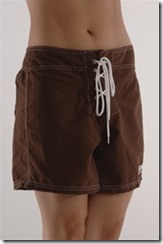
“I love the Sports Tank Top Girls4Sport kindly sent my way. The bright pink color makes me happy! The Zen Pink Sports Tank Top matched with the Snag Free Boardshort (mid length) in brown makes a super cute sport outfit! I feel so beachy! … I think this is my favorite workout top ever!”
Awww! Thanks for such kind words! We’re thrilled to be a part of Rita’s transformation. Health is the greatest wealth, as they say, and it’s wonderful to see someone going after it with such zeal. Rita’s training for a 5k right now. If you want to read more of the review or her other writings, you can check it out here.
Are you taking inspired action lately? Are you in personal transition? Have you had a personal transformation? We want to hear about it! Leave us a comment 🙂
Birthday Traditions: “A bad a$# love story”
It’s a tradition in our circle of paddling friends that the birthday boy/girl find a waterfall of their choice and we all go out and “huck” it. Huck is a hardcore word meaning “to paddle over the waterfall in your kayak.”
This story took place in May of 2005. At the time, we were finishing up a four-week adventure quest up and down the shores of Lake Superior and up into Canada, kayaking many big rapids, waterfalls and drops.
On my actual birthday, May 15th, we hucked one of my most favorite waterfalls on the North Shore, 30-foot Illgen Falls. We lapped the waterfall multiple times until we were too sore and tired to continue.

That same evening I heard some friends paddled over a waterfall in the Columbia River Gorge that stood over 80 feet tall: Metlako Falls. It was at that very moment that I wasn’t satisfied with my b-day huck over Illgen. I WANTED METLAKO, and I wanted it as soon as we got back to the Pacific Northwest.
On many occasions, I don’t commit 100% to any waterfall or rapid until I am present, there, looking at it and determining how I feel at that very moment. However, I had Metlako committed from the moment I first thought about it.
Here is a recap on that very day, running the biggest waterfall I have ran to this day … and sharing it with the most precious person in my life.
May 17th, 2005
How I prepared for the BIG day:
- For the last week, I was visualizing the waterfall — sitting at the top, dropping over, tucking and holding/bracing for the hit.
- I watched video of friends running the falls and committed their action to memory.
- I woke up in the middle of the night on Saturday (the day before my big huck) and literally had the emotions of having already ran the drop. I had to convince myself I hadn’t yet!
Sunday was 80 degrees and sunny – such a perfect day!
The level was PERFECT! I had never seen the entrance before, so when we hiked down to look at it, we were pleasantly surprised it was a nice big tongue rolling off the lip. We got a parking spot close to the trailhead at Eagle Creek (even though it was one of the busiest days I’d seen there).
Everyone we met on the trailhead said “have fun” instead of “you are going to die.” I wanted this for me. There was no nervous, scared energy, but the energy I had felt only a few times before, both of which ended up with successful performances.
The love story begins . . .
My husband, Nate, and I arrived at Eagle Creek around 11:00 a.m. — organizing gear, cameras, etc. We were meeting Ryan Scott and Lana Young who were going to take photos and video. Once we got our gear together we headed up.
We pulled over at the Metlako look-out point and got a quick check on the level. “It looks perfect,” Nate said. I didn’t respond, but inside I was thinking, “Sweet!”
Our next plan was to hike down to the lip and check it out, as neither of us had seen it. We stood there looking at the lip for a little bit. Then seeing Nate head up the trail, I took one last look and headed up.
“Couldn’t look at the drop anymore, was getting a little nervous,” Nate said (as he is not very comfortable with heights).
“You feeling good about it? I’ll run it first if you want,” I said.
“No, I’ll run it first because I need to take care of you,” he quickly responded.
As we were psyching ourselves up, we also went over our game plan — Nate was going first with no safety. If something went bad, I would have to run it right away or jump it.
Once Ryan and Lana were ready at a lookout point way downstream, we headed up. It was awesome to be in that canyon again, in a part of the river I had never even imagined I’d ever be running, alongside my hubby!
There we were, now eddied out directly above the 82-foot Metlako Falls. Nate was running it first. He took a few breaths, went out into the current, looked me in the eyes and said “I L-O-V-E YOU,” then peeled out over the falls.
After a few minutes and feeling my heart pounding through my chest, I heard the whistle blow … he made it!
It was my turn.
“Give me 30 seconds,” I told Ryan over our walkie-talkies.
From were I was, I could see Ryan and gave him a thumbs up. I splashed my face, took a few deep breaths and peeled out into the current. Once at the lip, I held my position and tucked, holding my paddle close to my boat.

Look carefully and you can see Heather.
I felt myself fall, continue to fall and fall some more … finally I hit! It was a surprisingly soft hit for such a large drop. The paddle did get torn out of my right hand, but managed to grab it again and roll up!
Nate and I stayed down below the falls for quite some time, celebrating. Just the two of us! The man who taught me how to paddle, my best friend, my husband — I had just shared an experience many couples will never share — paddling off of an 82-foot falls!

We shared hugs, kisses and high-fives! It was the most amazing feeling ever to experience that with Nate!
Heather Herbeck is a whitewater kayaker with Girls4Sport who lives in BZ Corner, Washington, in the Columbia River Gorge. She teaches whitewater kayaking on the White Salmon River. She’s also a personal trainer and aerobics instructor. Read more posts by Heather.
Happily ever after … the finish line.
Do you secretly (or not so secretly) wish to be a princess? A lot of us were raised with fairy tales, so who can really blame you? They’ve got exciting lives filled with adventure, love and a bit of drama.
Anne from Boston is one of those lovely women who grew up wanting to be a princess and she’s proud of it. She ran in the Disney Princess Half Marathon and she was proudly sporting Girls4Sport leggings as part of her costume. Here she is to tell us a little about her training and the magic of running 13.1 miles in a princess’ shoes.

This was my first half marathon! The most exciting part of the race was crossing the finish line knowing that I just did something that I have never done before, and that only a year ago it seemed so unattainable that I thought I would never be able to run more than a 5k.
I trained three times a week for seven weeks. I also did a lot of yoga and physical therapy for my hips. Here was my race training calendar:
Wk 1: 4mi, 5m, 7mi
Wk 2: 4mi, 5mi, 8m
Wk 3: 4mi, 5mi, 9mi
Wk 4: 4mi, 5mi, 6mi
Wk 5: 4mi, 5mi, 10mi
Wk 6: 4mi, 6mi, 11mi
Wk 7: 4mi, 3.1mi, 13.1mi (RACE DAY!)
Running through the Magic Kingdom was pretty magical too 🙂 I work at Radio Disney in Boston, so it was really cool to run a half marathon in Disney World. I feel like it fueled me through.
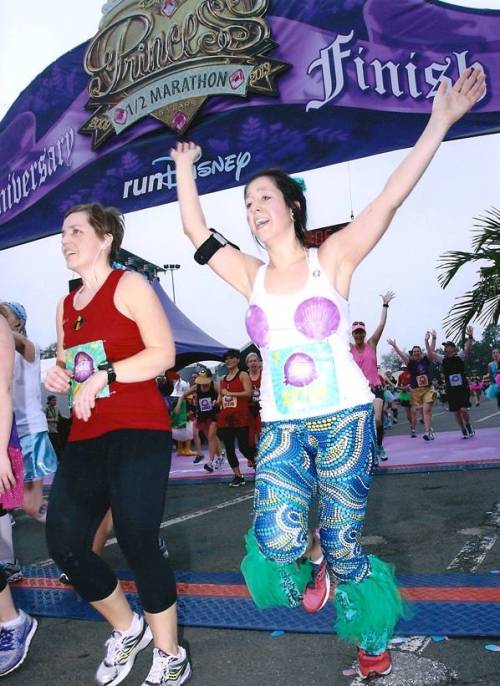
As you can see from my pictures, The Little Mermaid is my favorite princess. She is so spunky and I love the ocean. She inspires me to never give up. She was at the race, but I didn’t want to wait in the long line so I stopped to see my other favorite princess, Pocahontas.
The leggings were great! Multiple people told me that I had the best outfit that they had seen all day 🙂 Practical AND cute.
—
Thanks so much to Anne for sharing these awesome photos and fun story with us. We love hearing your stories and seeing how you use G4S wear. Share them with us on Facebook or email them. Tell us a story! We’d love to feature you on our blog!
We’ve all got the look–our look!
Most of the time as women we’re trained to look at someone with disdain/annoyance if we’re asked, “Are you a model?” What a cheesy pick-up line, we think. Well, maybe sometimes that’s the case, but all of us are models in our own way.
Awhile back we held a contest where we wanted to see you and your family in your Girls4Sport gear. We got some great photos and all of you were such great models! Here’s one of the runners up.

Lovely little lady. Click on the photo to see all the winners.
Often times bloggers review our products but don’t want to take photos of themselves. There are plenty of camera-shy folks out there, and that’s fine, but if you have an inner model wanting to work it for your photographer, we encourage you to get out there!
That’s why we were super excited to see our latest reviews over at Healthy Running Mom and Makobi Scibe. Not only did these gals have great things to say about our running and yoga wear, but they showed off their new digs in photos as well.
Debbie over at Healthy Running Mom loved our new activewear long sleeve hoodie top and crop leggings.
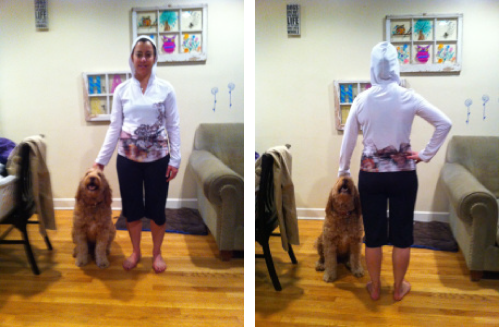
“Their clothing is made with a woman’s body in mind. Provides coverage & support where it’s needed. I love the outfit above, not only is it so comfortable, but provides sun coverage & is adorable. What’s better than that?”
Jennifer at Makobi Scribe waxed poetic about the benefits of yoga while using our SupraDry sport short bottoms and SupraDry sport zip top.
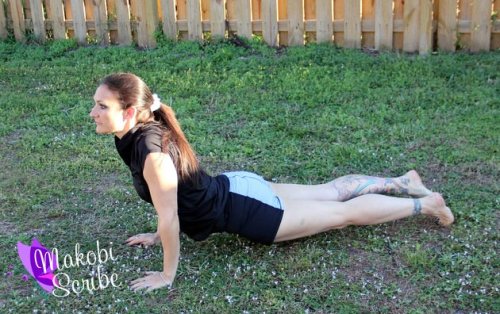
Thanks to both ladies for the kind words and cool photos. Check out the rest of Debbie’s review and Jennifer’s review as well as their blogs. Lots of running and fitness tips in general!
Feeling like working your own personal runway? We love to see your photos too! Share them with us on Facebook or email them. Tell us a story! We’d love to feature you on our blog!
Favorite SUP Spots on the Big Island
Aloha Wahines from Rhonda on the Big Island of Hawai’i! I started SUPing in 2007 when I lived in San Diego and moved to the Kona side of Big Island in 2009. If you have never been here, it is very different from the bustling Waikiki on Oahu. Quite often, it’s just me and the fish out in the water!

Rhonda with more than just the fish. That’s Mike SUPing with her.
I highly recommend a visit to Big Island and would like to share some of my favorite SUP spots with you! In the heart of downtown Kona is the Kailua Pier, which is also the swim start and transition area for the Kona Ironman World Championship.
It’s an excellent place for swimming and trying out SUPing, and you can easily rent and safely launch a board from the Kona Boys’ “shack” in back of the King Kamehameha’s Kona Beach Hotel (Courtyard Marriott) on Alii Drive. This SUP spot is frequented by Spinner dolphins, so don’t forget to bring your waterproof camera!
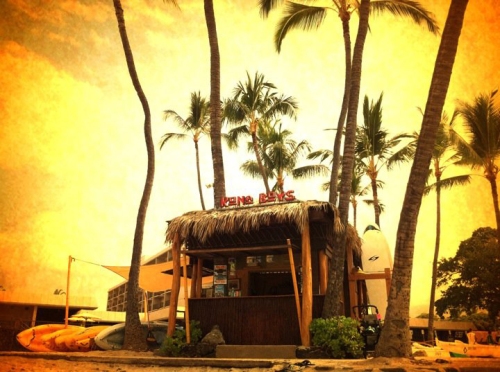
The Kona Boys Shack
Do you feel a little daring and would like to try SUP surfing? Drive 10 minutes south on Alii Drive to Kahalu’u Beach Park, which is popular for safe swimming and snorkeling as well as a favorite place to learn SUP and SUP surfing.
Keep in mind that the surf is bigger in the winter, so I recommend either talking with one of the on-site lifeguards to ask if the conditions are right for your experience level, or hiring one of the SUP instruction companies (Google “Kahaluu surf instruction” for a few listings) to show you how to safely access the water and catch some waves. Kahalu’u gets crowded, and the ocean can get choppy later in the day, so I recommend going early.
If you are staying north in the Waikoloa Resort area and looking to SUP, the wide-open Anaeho’omalu Bay is fun to SUP as long as the strong trade winds that frequent the area are not blowing. Boards may be rented from Ocean Sports that are located directly on the beach behind the Waikoloa Beach Marriott.
Once again, I recommend going early since the wind is more calm in the morning. A benefit to SUPing is the ability to view marine life while you glide through the water, hovering over colorful tangs, parrotfish, and sea turtles.

Wear polarized lens sunglasses for even better viewing through the surface of the water (as well as better eye protection!). In addition to getting a great workout and seeing many beautiful fish , SUPing on the Big Island during the winter season gives you the opportunity to see humpback whale mothers teaching their calves to breach and tail slap, which is one of the most amazing things to witness. I hope this inspires some of you to visit our island, and maybe we’ll even see each other on the water!
Mahalo for reading,…and Aloooooha!
Wanna read more about Rhonda? Check out her team rider profile!
Tips for People With Food Intolerances
Since I was young, I’ve had excema and I thought I’d tried everything to get it under control, from oatmeal baths to steroid creams. My parents put me to bed with Benadryl, hoping to keep me from itching in my sleep. Nothing worked.
Nothing, that is, until I stopped eating dairy. It was a miracle of miracles! After 20-odd years of struggling, it cleared up in days.
My husband is lactose-intolerant. People joke we must have met on a dating site for people with food allergies (which coincidentally, there is). After he spent years of fighting sickness with no answers from the doctor, we decided to eliminate wheat from our diet.
Now his energy levels are higher than they’ve ever been. He’d considered retiring from competing, but now he’s stoked for another season of bike racing.
For all of our celebrating, there are definitely some challenges that come along with these intolerances. I like to think we’re pretty ingenuitive in coming up with solutions or work-arounds to make many of these problems. Check ’em out:

- Accept all substitutes. If you look around at all the miracles on this planet, you can see that the earth favors multiplicity. Consider the lilies … no seriously, think about all the flowers. Not only are there hundreds, thousands, but just think of all the ones that are purple.By this logic, we can assume that there is almost always a substitution to that cream cheese smothered bagel you’re pining over or that creamy home made lasagna you’re craving. It just might take a little creativity. I use cashew cheese sauce in my lasagna recipe along with rice noodles. Check out some of my substitution recipes or just use Google.
You’d be amazed at the number of people with food allergies/intolerances who have already climbed that Everest for you, so no need to do it again. Just plug in the words “gluten-free dairy-free” (or whatever your allergy happens to be) and “bagel” or whatever you’re craving. Tada! Or add “substitute.” As in “cream cheese substitute.”
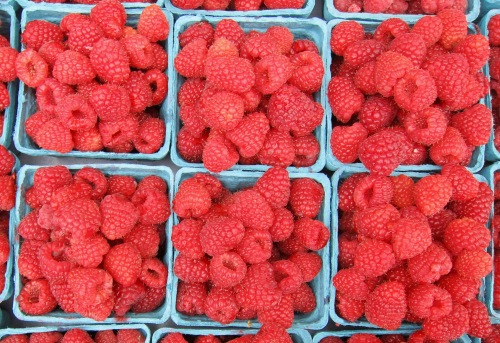
- Scope out your local health foods store. I know, sometimes it’s over priced. Maybe it feels intimidating. But if you start getting to know your local health food shop, you may find a lot of things you can eat, some of which are already prepared or even frozen.Now, I’m not advocating a life of frozen entrees, but let’s be real for a minute. Who doesn’t have those days where you’re totally zonked and you just need something fast and easy? With diet restrictions, this is often a too-bad-so-sad scenario, unless you’re willing to get takeout, which can pose its own headaches.
At the my local health food shop, I’ve found gluten-free, dairy-free frozen pizza (a guilty pleasure I’d been missing) along with pastas and other boxed dinners. Oh, and don’t forget to check out the deli and bakery. A joy of pre-made items that could bring tears to your eyes could be waiting. So spend some time there. Some stores will even help you pick things out if you ask.

- Get smart. There are loads of apps out there for your smart phone or tablet, so there’s bound to be a few that could make managing your allergies easier. If you’re planning on going out to eat, try AllergyEats, which is free for iPhone and Android, or iCanEatOnTheGo Gluten & Allergen Free for iPhone.If you’re cooking at home and you’re not a substitute guru, check out the Cook It Allergy Free app and website. You can customize recipes to your specific allergy and gets loads of tips on how to cook for a specific allergy. This is a great place to direct someone who wants to have you over for dinner.
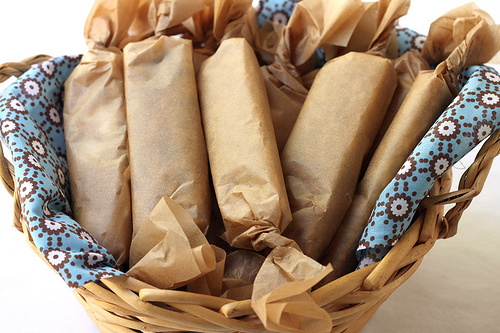
- Be prepared. Speaking of visiting friends for dinner, there is always a danger of accidental poisoning, as my friend likes to call it. No one wants to limit their social life, but it can be tough with dietary restrictions.My husband and I found that it’s best to know what’s cooking in advance. Talk to the host and offer to bring the dishes that would normally have your allergens in it. For instance, at Thanksgiving, I brought mashed potatoes, homemade rolls and pie, all deliciously gluten and dairy free. The host can focus on working his or her magic (remember to send them to Cook It Allergy Free if you’re worried) while you do yours.
Of course there are always times when you’re not able to eat a dish, despite your host’s best intentions. Eating around the meal is an obvious choice but packing a little protein just in case will help take the edge off.
Throw some almonds (or nuts you’re not allergic to) or protein bars in the grocery bag you bring over so your host won’t have to scramble to find you an appropriate snack and you don’t have to spend the evening hungry.


Food intolerances can seem overwhelming or unfair at times, and I’ve definitely had my fair share of mini-meltdowns, read:”But I need a Dairy Queen blizzard!” But if you consider how much good you’re doing your body, and you learn to adapt, they can be little more than an occasional nuisance.
Follow these tips and check out other tips online. How about you? Do you suffer from any intolerances or live with someone who does? What are your tips?
Rebecca Watson is a writer, fierce optimist, and cooking enthusiast.
 Girls4Sport Blog
